Exploring Slovenia's Farm-to-Table Movement
Slovenia is gaining recognition for its vibrant farm-to-table movement, which emphasizes local food sourcing, sustainability, and food transparency. This article delves into how this movement shapes the culinary landscape, community engagement, and responsible food choices in Slovenia.
The Essence of Farm-to-Table
The farm-to-table movement advocates for a direct connection between producers and consumers. This approach often prioritizes local ingredients, supporting the community and promoting food system transparency. According to research, communities that embrace farm-to-table practices report higher levels of food literacy and engagement.

"Eating locally not only sustains the environment but also strengthens community bonds and supports ethical food practices." - Food Sustainability Expert
Food Transparency and Sourcing Practices
Food transparency involves the clear communication of food sourcing practices. In Slovenia, many restaurants highlight their partnerships with local farmers, allowing diners to understand the origin of their meals. This transparency fosters trust and encourages consumers to make informed decisions about their food. Experts typically note that such practices can enhance both food quality and the dining experience.
Key Elements of Slovenia's Farm-to-Table Movement
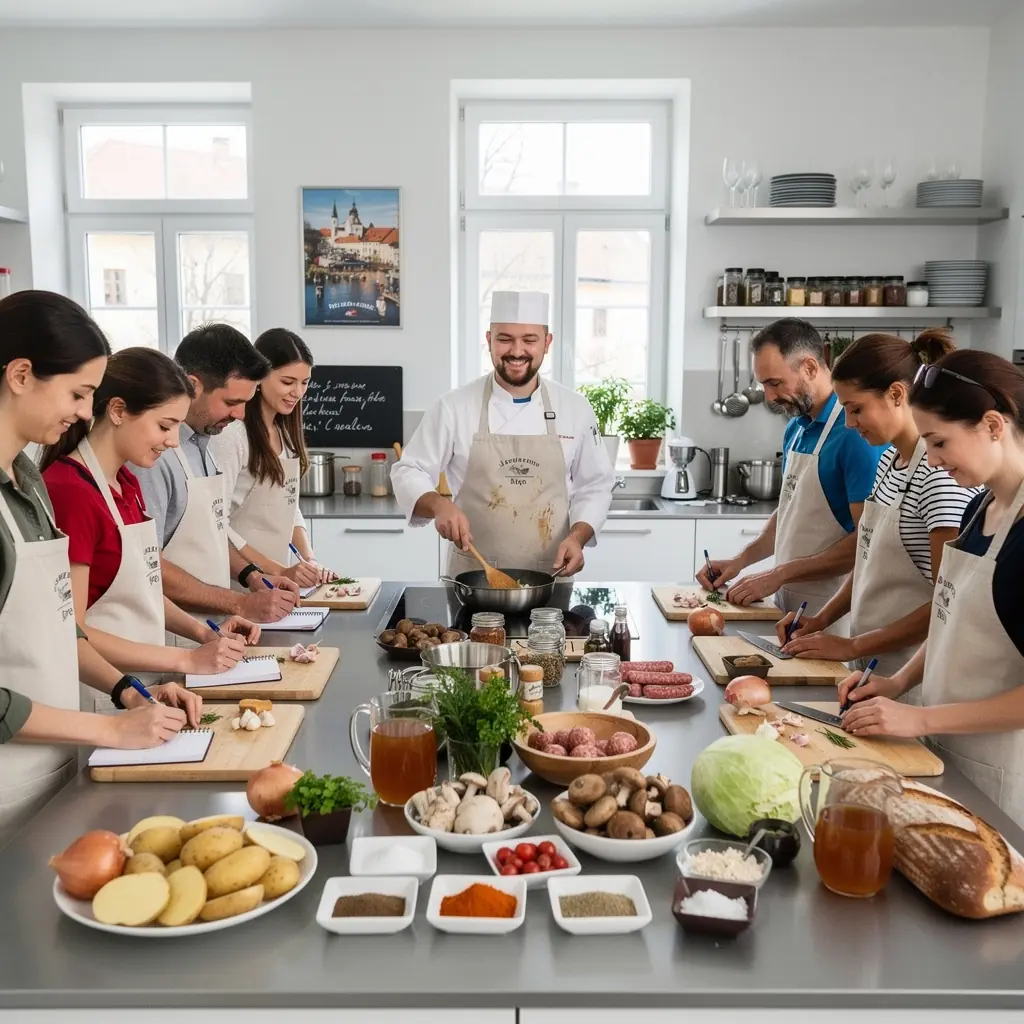
- Local Dining Experiences: Many eateries in Slovenia focus on seasonal menus that change according to what is available from local farms.
- Community-Supported Agriculture (CSA): Initiatives where consumers can subscribe to receive regular produce deliveries directly from local farms.
- Ethical Food Blogging: Numerous bloggers are dedicated to sharing insights on food ethics, sustainable eating, and local dining experiences.
Engaging with the Culinary Community
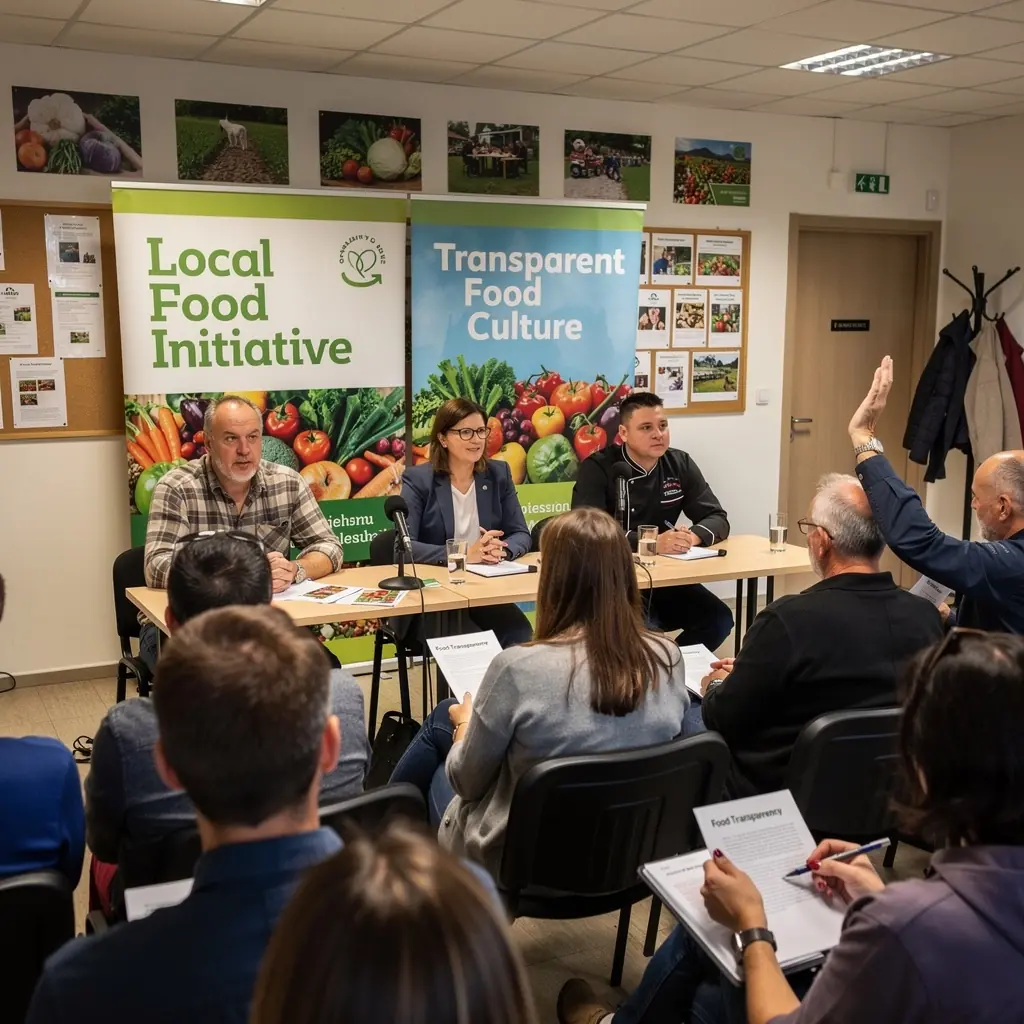
Engagement in the culinary community is vital for promoting food accountability and ethical eating practices. Local food events, such as farmer's markets and food festivals, play a crucial role in connecting consumers with producers. These events not only showcase local ingredients but also highlight seasonal eating, which is essential for sustainability.
Food Advocacy and Education
Food advocacy groups in Slovenia work tirelessly to raise awareness about food policy and the importance of transparency in sourcing. These organizations often provide educational resources aimed at improving food literacy in the community. They encourage citizens to explore regional cuisine and embrace a holistic eating lifestyle.
Challenges and Opportunities
Despite the positive trends, challenges remain. Some local producers struggle with competition from larger, industrial food systems, which can affect their ability to sustain environmentally-friendly practices. However, many local dining establishments are committed to responsible food choices and are increasingly sourcing ingredients locally, thus fostering a supportive environment for farmers.
Conclusion
The farm-to-table movement in Slovenia not only enhances local dining experiences but also strengthens community ties and promotes sustainable eating habits. By prioritizing food transparency and engaging with local food networks, Slovenia is setting an example for other regions to follow. As the movement continues to grow, it will be essential for consumers to remain informed and involved in the ongoing discussions surrounding food ethics and sustainability.