Local Food Events: Celebrating Culinary Diversity
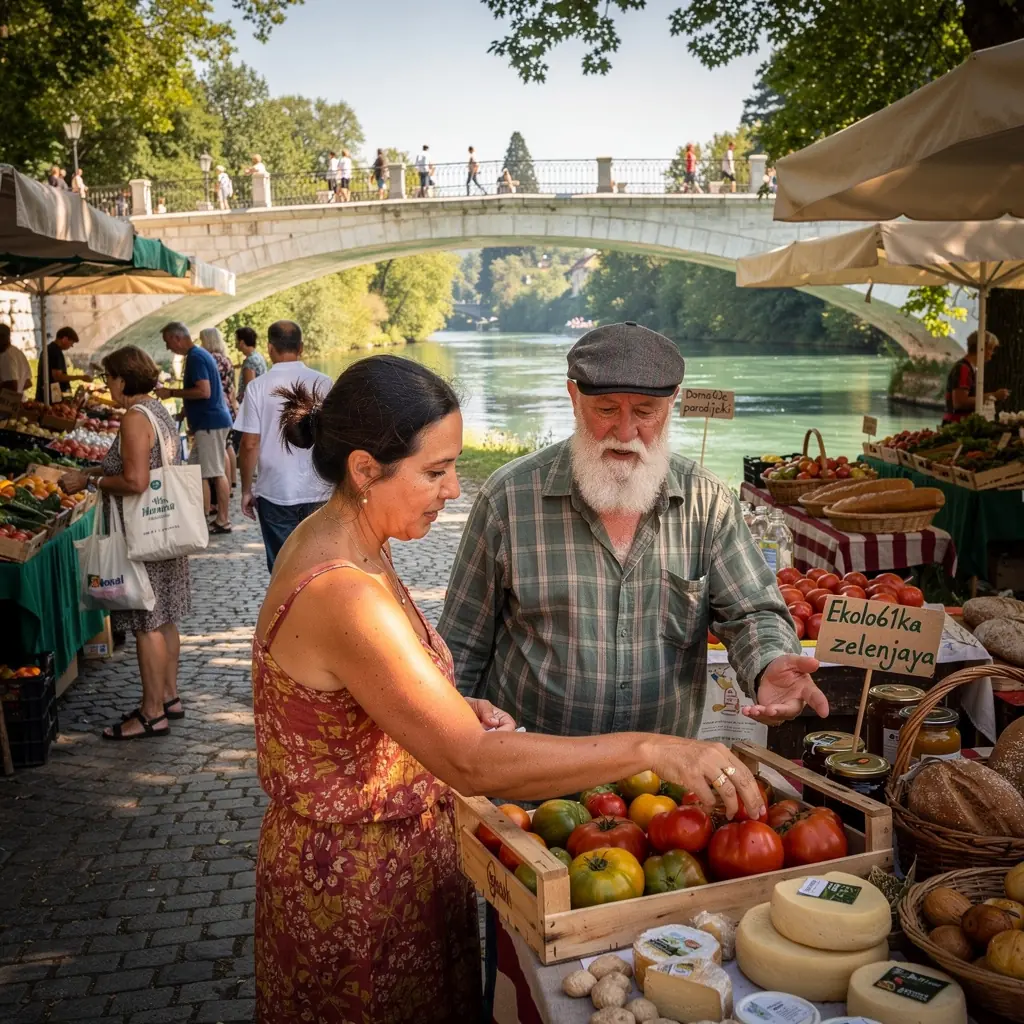
Food has the power to bring communities together, and local food events serve as a vibrant platform to celebrate culinary diversity. In Slovenia, these gatherings not only showcase regional cuisine but also promote food transparency and sustainable eating practices.
The Importance of Local Food Events
Local food events play a crucial role in fostering community engagement around food. They provide opportunities for individuals to explore and appreciate the variety of local ingredients available in their region. According to food advocacy organizations, these events encourage transparency in sourcing and highlight the importance of food quality insights.

"Events centered around local food not only celebrate culinary traditions but also promote a deeper awareness of the food systems that sustain us."
Exploring Regional Cuisine
In Slovenia, culinary diversity is reflected in its regional cuisines, influenced by various cultural traditions. Events such as farmers' markets, food festivals, and cooking classes often feature:
- Seasonal Eating: Promoting dishes that utilize ingredients at their peak freshness.
- Farm-to-Table Movement: Supporting local farms and ensuring food sourcing practices are ethical.
- Community-Supported Agriculture: Encouraging consumers to buy directly from local farmers, reinforcing neighborhood food culture.
Food Transparency and Ethical Eating Practices
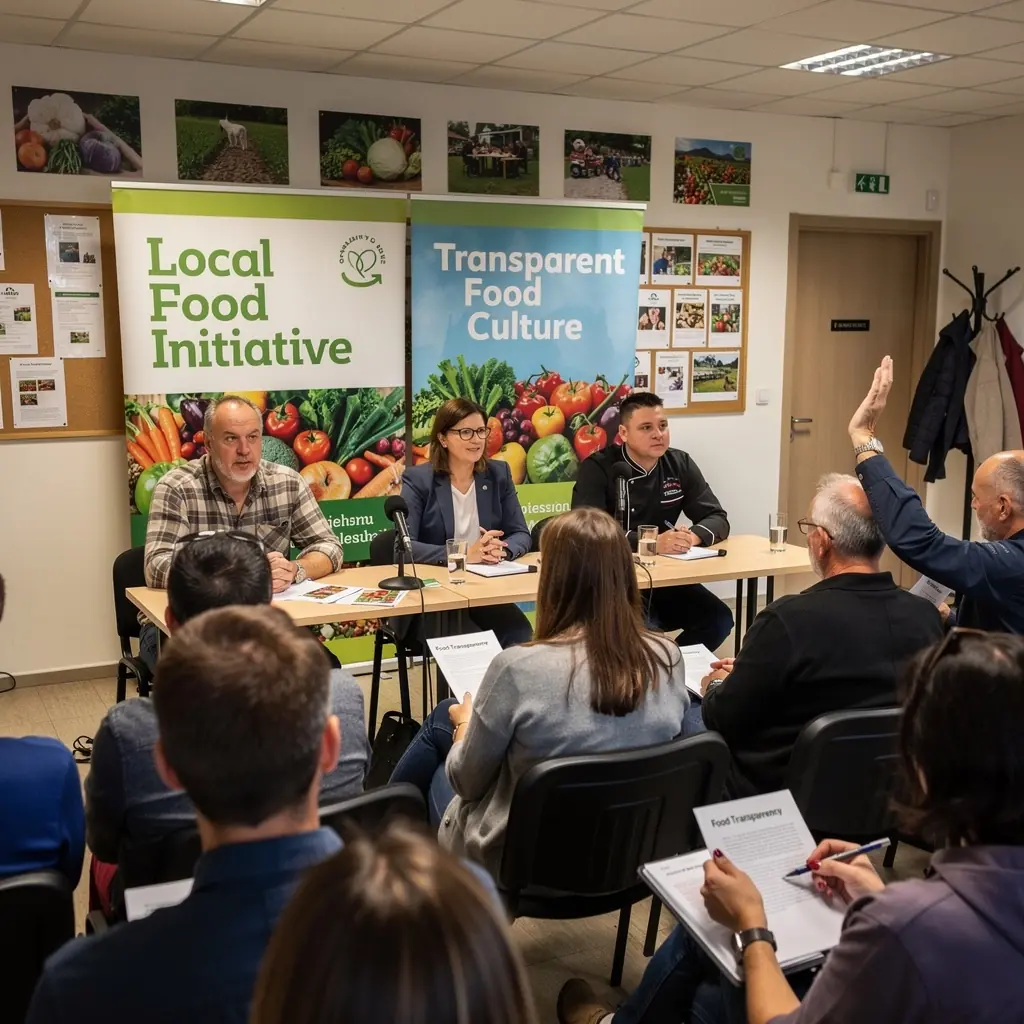
With rising awareness about food sustainability practices, many attendees are increasingly concerned about the origins of their food. According to research, transparent food systems enhance consumer trust and encourage responsible food choices. Local food events often incorporate educational components that address:
- Food Ethics: Discussing the implications of food choices on the environment and local economies.
- Food Literacy: Teaching participants about seasonal produce and cooking techniques that emphasize holistic eating.
- Food Policy Awareness: Raising consciousness about how local and national food policies affect community health and sustainability.
Community Engagement Through Culinary Experiences
Beyond tasting local delicacies, engaging with the culinary community is a vital aspect of food events. Many participants report feeling a stronger connection to their food sources after sharing experiences with local chefs and farmers. These interactions often lead to:
- Increased support for ethical food blogging and responsible food choices.
- More informed discussions about cultural food practices and sustainable eating habits.
- Fostering a network of community food enthusiasts who advocate for food system transparency.
Conclusion
Local food events are invaluable for celebrating culinary diversity and fostering community spirit. By participating, individuals not only enjoy unique dining experiences but also contribute to a larger dialogue about food ethics, sustainability, and transparency. Engaging with local food culture encourages a holistic approach to eating while supporting the local economy — a win-win for everyone involved.