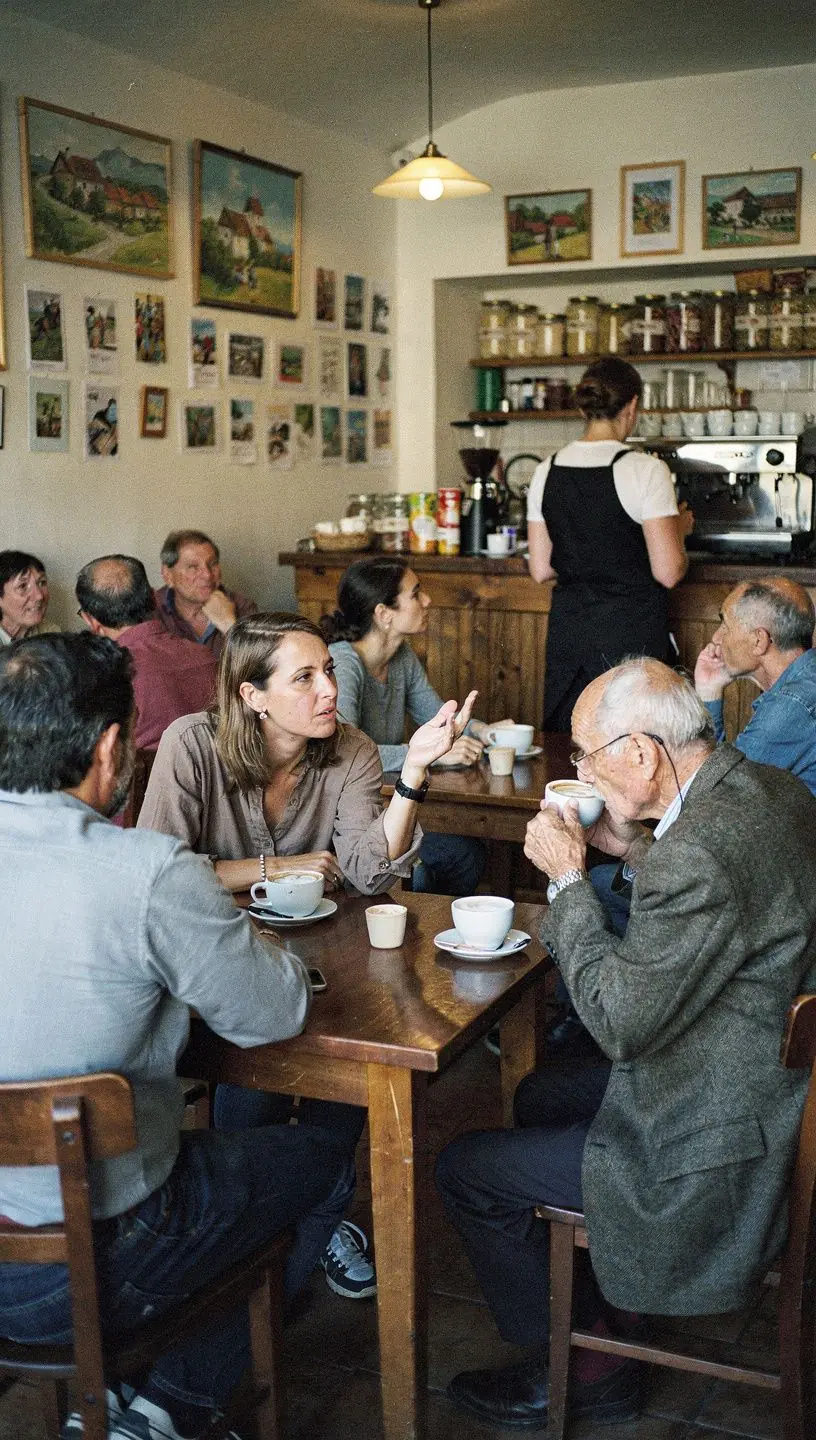
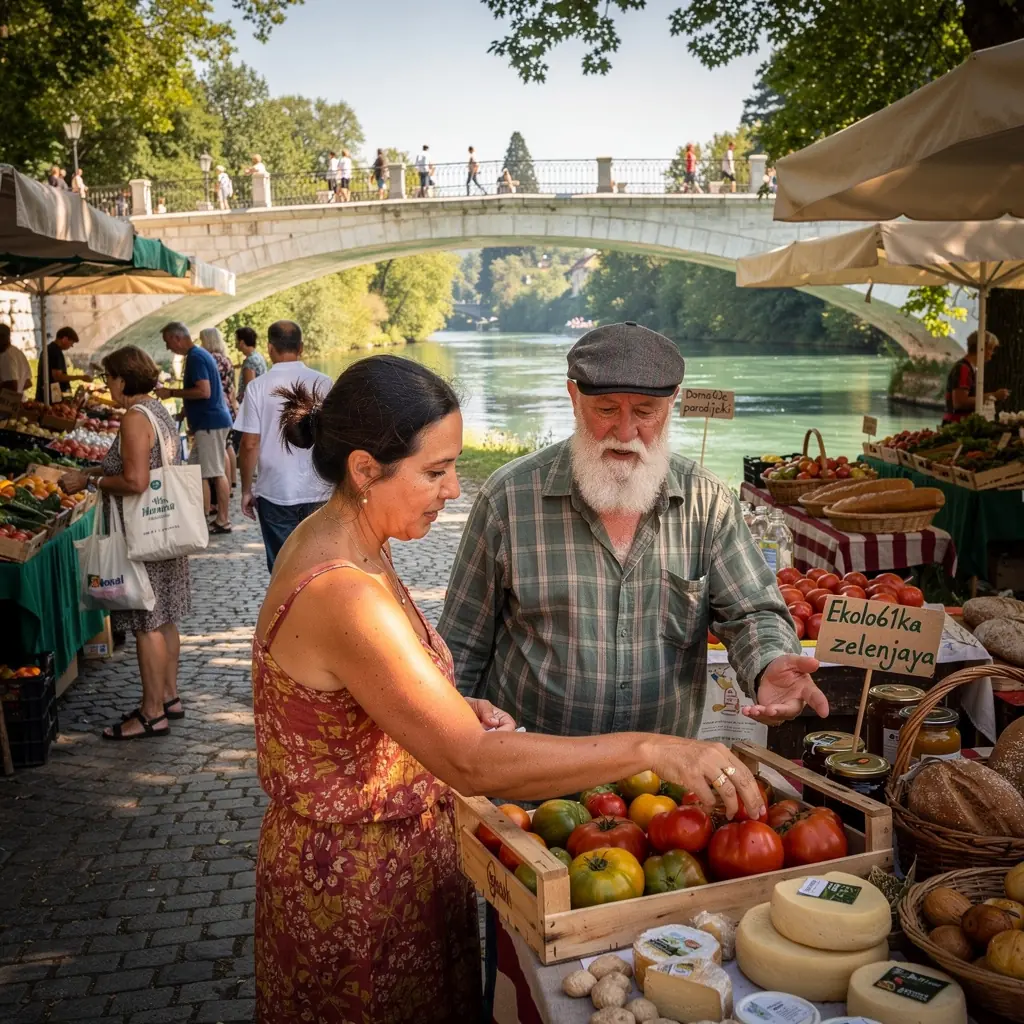
Engaging with Neighborhood Food Cultures in Slovenia
Slovenia is home to diverse food cultures that reflect its rich history and vibrant communities. Engaging with these local food traditions not only enhances our dining experiences but also promotes food transparency and sustainability.
The Importance of Local Food Cultures
Understanding local food cultures is crucial for several reasons. Firstly, they often prioritize using local ingredients, which is integral to the farm-to-table movement. Research indicates that meals prepared with locally sourced produce tend to have a smaller carbon footprint and support local economies.
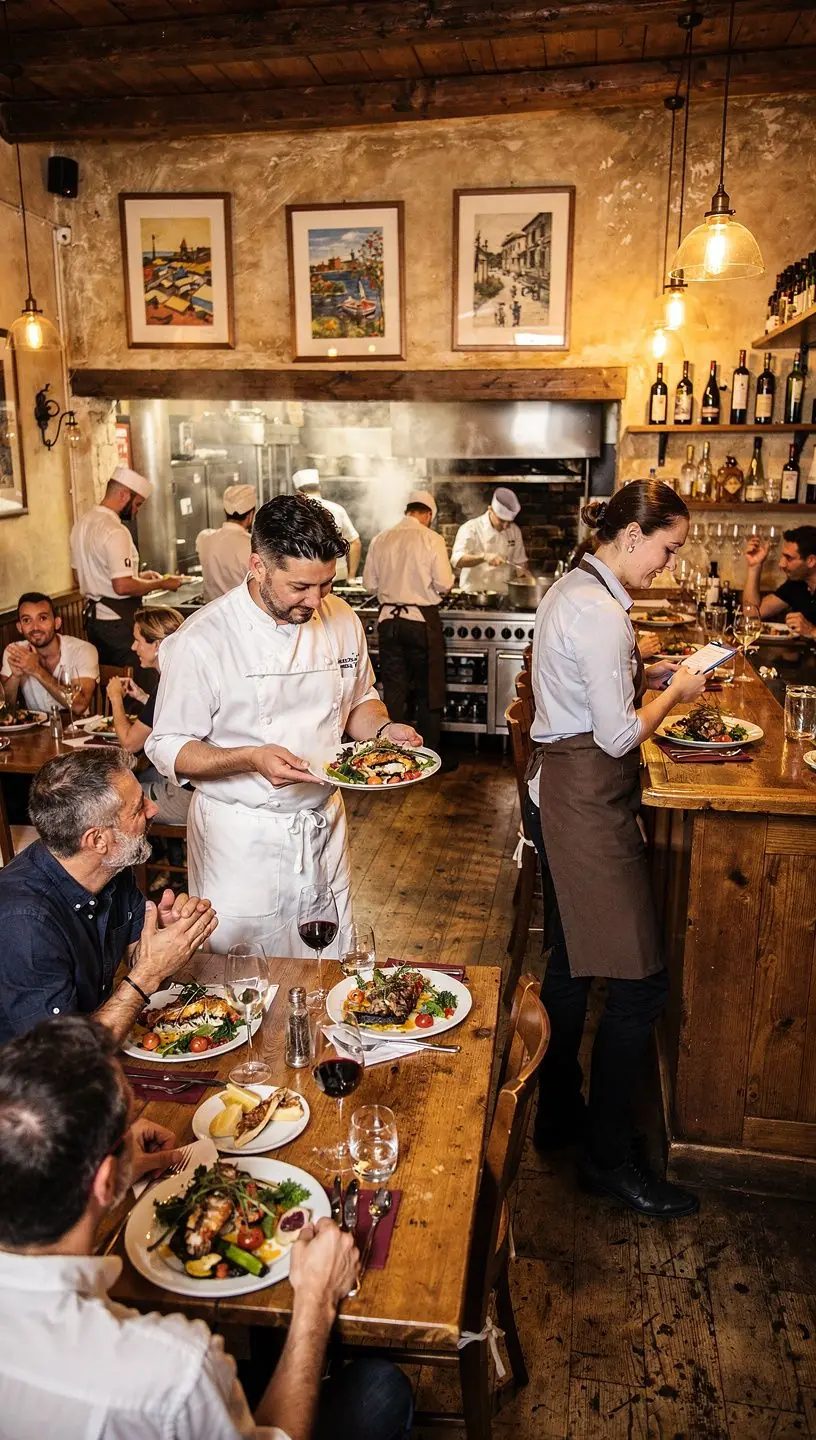
"Engaging with your neighborhood food culture can foster a deeper connection between consumers and their food sources, promoting greater food transparency."
Exploring Seasonal Eating
Seasonal eating is a hallmark of responsible food choices. It encourages consumers to adapt their diets based on what is readily available in their locality. This practice not only supports local farmers but can also lead to higher food quality insights. Experts suggest that eating with the seasons generally enhances flavor and nutritional value.
Tips for Engaging with Local Food Cultures
- Participate in Local Food Events: Attend farmers' markets or community-supported agriculture (CSA) programs to connect with local producers.
- Join Culinary Community Projects: Engage in cooking workshops that focus on traditional Slovenian recipes, which often highlight regional cuisine.
- Share and Discuss: Utilize social media platforms to share experiences and foster discussions about food ethics and sourcing practices.
Food Transparency and Ethical Eating
Food transparency is becoming increasingly relevant, as consumers are more aware of the implications of their food choices. By understanding where our food comes from and the practices behind its production, we can make responsible food choices. Studies show that consumers who are educated about their food sources tend to support brands and restaurants that prioritize ethical sourcing.
Building a Local Food Network
Creating a community network around food can enhance food literacy and accountability. This network can consist of local farmers, chefs, and consumers who are passionate about sustainability and ethical food practices. Engaging in community food discussions can lead to collaborative initiatives such as eat local initiatives and food advocacy campaigns.
Conclusion
Engaging with neighborhood food cultures in Slovenia offers not only a unique culinary experience but also a pathway to greater food system transparency and accountability. By embracing local dining experiences and understanding the ethics behind food sourcing practices, we can contribute to a healthier food environment and foster a mindful eating lifestyle.
As you explore your local food scene, remember to share your insights and experiences. Together, we can create a vibrant culinary community that values food ethics and sustainability.